- 12 A, 80 G, CSR 1, ISO 9001 And ISO 14001 Certified Organization

Sustainable Agriculture Program for Farmers
Initiative Supported By:
Our Programs
- Passport to Earning Program by UNICEF YuWaah
- Phlebotomist Skill Building Program
- Skilling DTH Operators (Tata Play Kaushal)
- Skilling Backhoe Loader Technician and Operators
- Building Master Technician
- ParyavaranSakhi
- Online Upskilling for Entrepreneurship
- Incubation Of Cattle Feed Entrepreneurship
- Skilling of Youth in Green Skills – Solar Energy
- Animal Nutrition Promotion Program
- Sustainable Agriculture Program for Farmers Solis CSR Initiative
- Agro Solutions Extension Services to Farmers
- Drone Pilot Services in Agriculture Sprays
- Livelihood Training in Finance and Banking Sector
- Disha Training Program With Acc
- Quick Service Restaurant Training Program for Youth
- Saral Jeevan Saheli (Women Entrepreneurs)
- Linkedin-aspire for Her
- Placement Initiative for Young Women
- Employability for young women in dholpur, rajasthan With unicef
- DIDI KI DUKAAN ENTREPRENEURSHIP PROGRAM
Sustainable Agriculture Program for Farmers
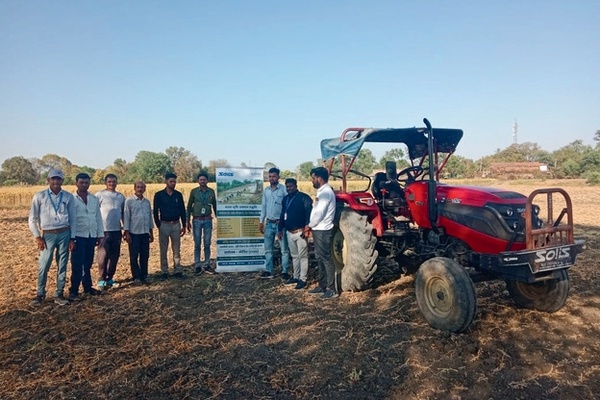
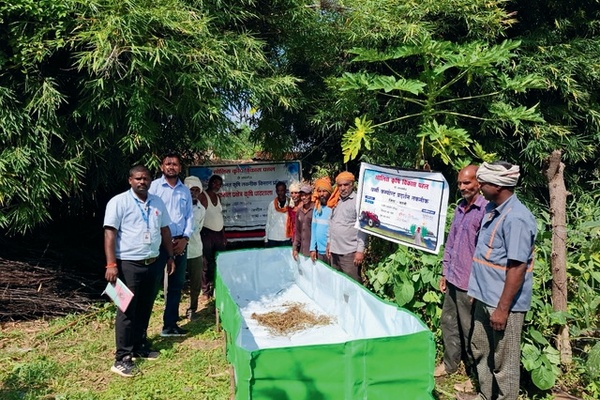
Objective: Training farmers on sustainable harvesting practices in agriculture through knowledge transfer, practical skills & training, and field crop demonstration to increase farmers productivity and agriculture production, promoting sustainable agriculture solutions and increase farmers’ income. SUSTAINABLE AGRICULTURE PROGRAM FOR FARMERS SOLIS CSR INITIATIVE B-ABLE Foundation, in partnership with ( SSDS )Solis CSR, has introduced the Sustainable Harvest Program to empower farmers across 30 villages in the Damoh and Katni districts of Madhya Pradesh. This initiative focuses on crop demonstrations (paddy, soybean, black gram & wheat , integrated crop management, and market linkages, complemented by practical training from agricultural specialists. Key program highlights include Soil Health & Seed Improvement, Water Management & Irrigation Techniques, Modern Agricultural Practices and Market & Financial Literacy. 15 villages in each district were strategically selected based on soil type, water availability, crop patterns, and community interest in sustainable methods.
Our project approach is a systematic process that begins with team building and cluster mapping to identify target areas. It involves the registration of farmers, followed by field demonstrations with seed support and practical training sessions to enhance skills. Farmers receive a combination of practical and knowledge-based training, with convergence efforts involving government bodies, KVKs, and other agencies. Regular monitoring, MIS, and detailed reporting ensure transparency and effective implementation throughout the project.
Progress...
- Half Acre Crop Demonstration at 526 farmers field
- Demonstration plots yielded 15–20% more than control plot, traditional methods, validating the use of advanced farming practices.
- Out of 250, farmers in the top 20 represented income gains averaging ₹2,900–₹4,400, largely driven by reduced input costs and improved market access.
- The combination of financial literacy training and direct market linkages equipping farmers to manage resources effectively and securing fair prices.
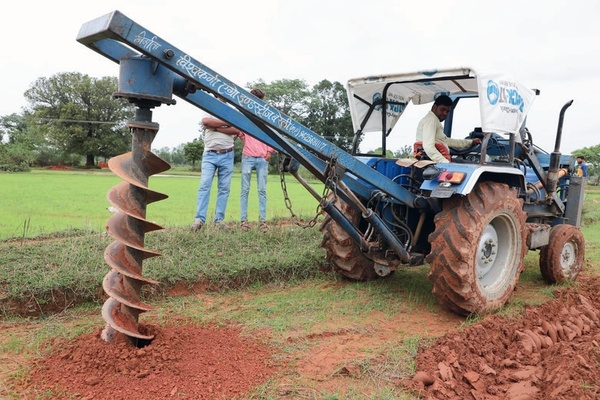
Skilling farmers on water conservation and water harvesting
Water is the prime need for sustainable agriculture, and at B-ABLE Foundation, we are working closely with farmers to ensure every drop is used efficiently. Our interventions focus on conserving rainwater and harvesting it effectively, helping farmers improve crop yields and secure groundwater for the long term
Deep Drench Percolation For Water Conservation
At B-ABLE Foundation, we are empowering farmers with knowledge and practical skills in water conservation and harvesting, which are essential for sustaining agricultural productivity and ensuring long-term groundwater availability. Every rainy season, an average of 600 mm of rainwater falls on land, which is enough for cultivation. However, most of this precious water evaporates or flows away before it can reach the roots or recharge the soil.
To address this, we are introducing and practicing the Deep Drench Percolation (DDP) method, a simple yet effective technique to make the most of rainwater conservation and groundwater recharge.
We start by identifying suitable areas in the field and creating deep holes of about 6 to 7 feet using an earth auger machine. These holes break through the compact soil layers that prevent water from percolating into deeper strata. Once the barrier is broken, rainwater can easily seep in, recharge the groundwater table, and be stored naturally for future use.
On an acre of land, we dig around 50 to 100 holes around the ridges. During the rainy season, these holes take the water deep into the ground and store it effectively, allowing for efficient harvesting. This stored water gradually seeps underground, improving soil moisture levels and supporting crops even during dry spells.
By the end of the rainy season, we expect to see healthier soil, better crops, and a strong reserve of groundwater.
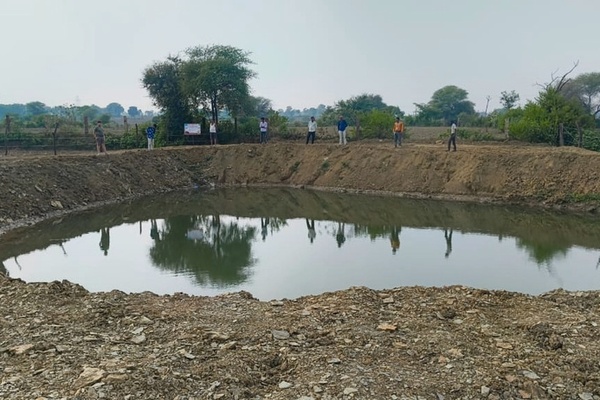
Developing Farm Ponds for Water Harvesting
In addition to water conservation, we are actively supporting farmers in creating farm ponds, an effective method for harvesting rainwater. Initially, many farmers were hesitant to invest in land for water harvesting due to limited knowledge and uncertainty about its benefits. Through consistent awareness and training sessions, we have demonstrated the longterm advantages of farm ponds, including water availability during dry spells, improved soil health, and higher crop productivity. These ponds capture and store rainwater, serving as a reliable source for irrigation and livestock. By combining farm ponds with conservation methods like deep drench percolation, we are creating a holistic approach to sustainable water management in agriculture. We extend our sincere thanks to Solis Tractors and Sonalika CSR for their support in enabling these interventions and helping us empower farmers with the knowledge and tools they need to manage water efficiently.